What shapes a safari · 02
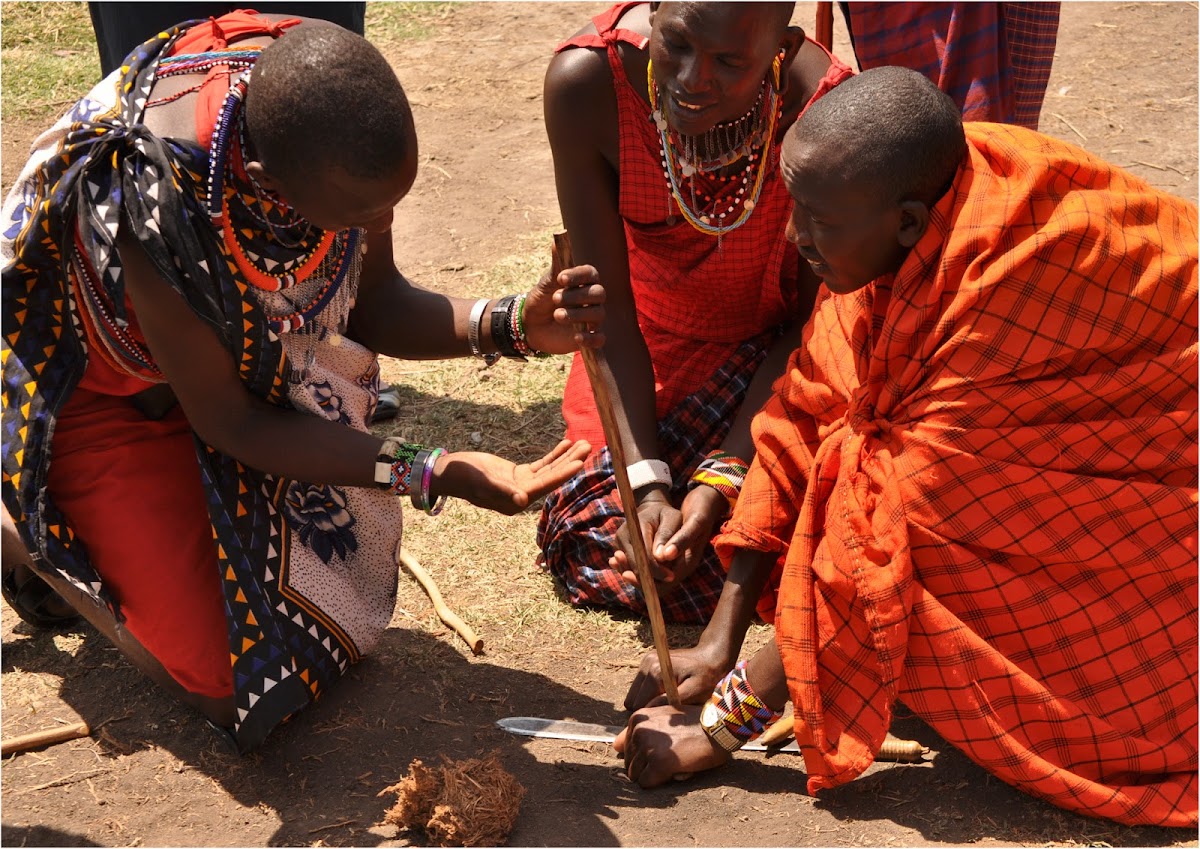
A lot of "cultural visits" on safari are the same transaction repeated for every busload: pay at the gate, watch a dance, buy something on the way out. Edward doesn't run those. When a cultural visit is part of your safari, it's with families he's known for years — people who've said yes to having guests, not people a fee has been paid to stand in a line.
That means fewer performances and more actual conversation — about what the day-to-day looks like, how the relationship with the land and the wildlife around it has changed, and what questions are fair to ask. Edward translates directly rather than leaving you with a guide who's reciting a script.
"I only bring guests to people who've genuinely said yes to it. If a family isn't up for visitors that week, we don't go — there's no version of this that works as a paid photo stop."
Maasai Cultural are always invite-only and planned in advance
If a family isn't up for visitors, the visit doesn't happen — no substitute is arranged
What you see is what's actually happening that day, not something staged
Questions go through Edward directly, not a rehearsed routine

12 days across 6 of Kenya's best landscapes — Samburu's dry north, the rhino conservancies of Laikipia and Nakuru, the Mara, Lake Naivasha, and Amboseli.
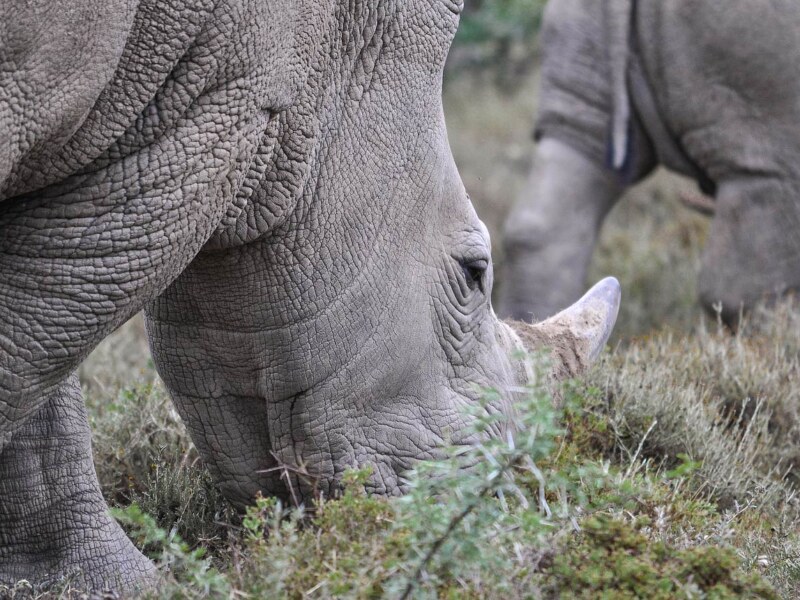
Six days, three regions, one deliberate route to the Big Five — Samburu's dry north, the rhino sanctuary at Lake Nakuru, and the plains of the Masai Mara.
Tell David when you're thinking of travelling and how many of you there are — he'll reply personally, usually within a day.