What shapes a safari · 04
Most guests pay a conservancy fee without ever finding out what it funds. Edward will tell you plainly: land leases that pay landowning families directly for keeping that ground open to wildlife instead of fencing or farming it, salaries for the scouts and rangers doing daily anti-poaching patrols, and, in a lot of cases, the reason a particular stretch of land still has wildlife on it at all.
This isn't a separate add-on trip — it's woven into safaris that already pass through private conservancies bordering the Mara and elsewhere. Where it's relevant, Edward will point out what's being funded, introduce you to the scouts and guides who are actually from the area, and answer honestly when something doesn't have a tidy answer.
"If I can't tell you specifically what a fee pays for, I don't put it in the itinerary as a selling point. Guests deserve a straight answer, not a green sticker on a brochure."
Less a set of activities than a way the itinerary is explained as you go.
Explained plainly, not left as a line item on an invoice
Preferring camps and conservancies that actually employ locally
No unverifiable sustainability claims dressed up as fact
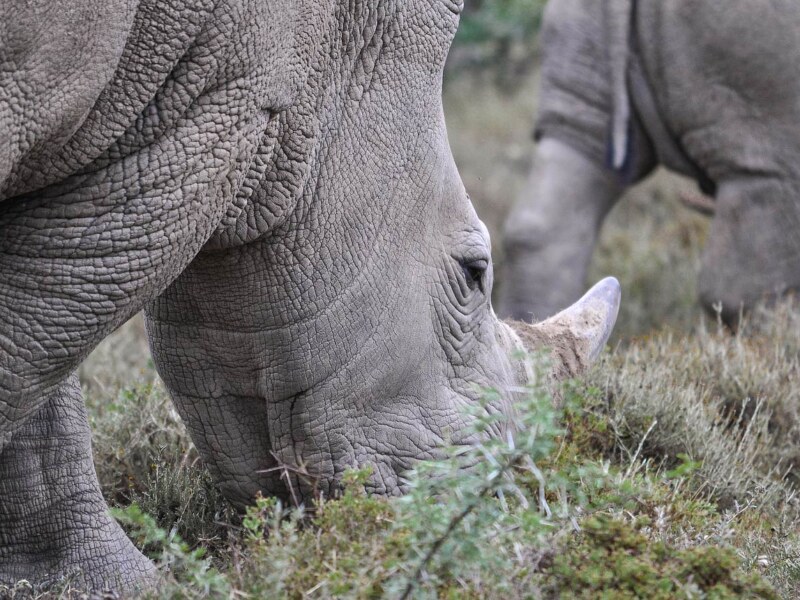
Six days, three regions, one deliberate route to the Big Five — Samburu's dry north, the rhino sanctuary at Lake Nakuru, and the plains of the Masai Mara.

12 days across 6 of Kenya's best landscapes — Samburu's dry north, the rhino conservancies of Laikipia and Nakuru, the Mara, Lake Naivasha, and Amboseli.
Tell David when you're thinking of travelling and how many of you there are — he'll reply personally, usually within a day.